


The Architecture of Flow: How to Structure a 60-Minute Yoga Class
A practical timing framework for arrival, preparation, exploration and rest, with room for the realities of teaching.
Articles · Creasana
Explore movement, anatomy and yoga philosophy, find creative inspiration and develop your teaching. Practical insights and fresh perspectives for curious minds.
A practical timing framework for arrival, preparation, exploration and rest, with room for the realities of teaching.
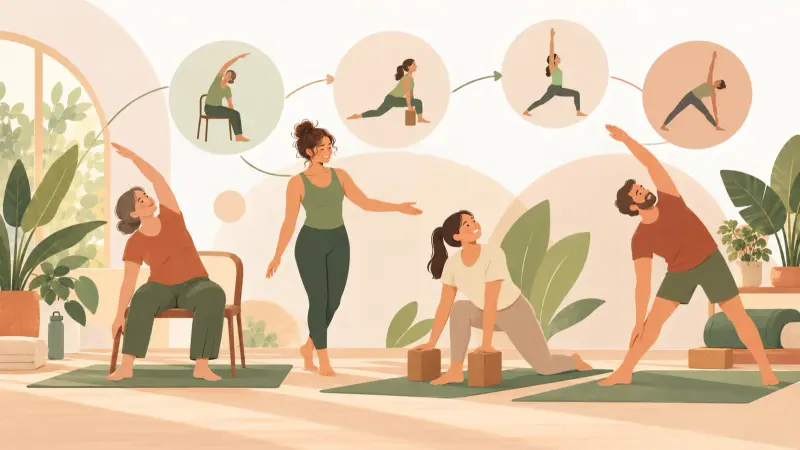
Make a first yoga experience clear with familiar language, useful options and fewer simultaneous demands.

Keep a short practice focused, reduce unnecessary transitions and make room for a genuine ending.
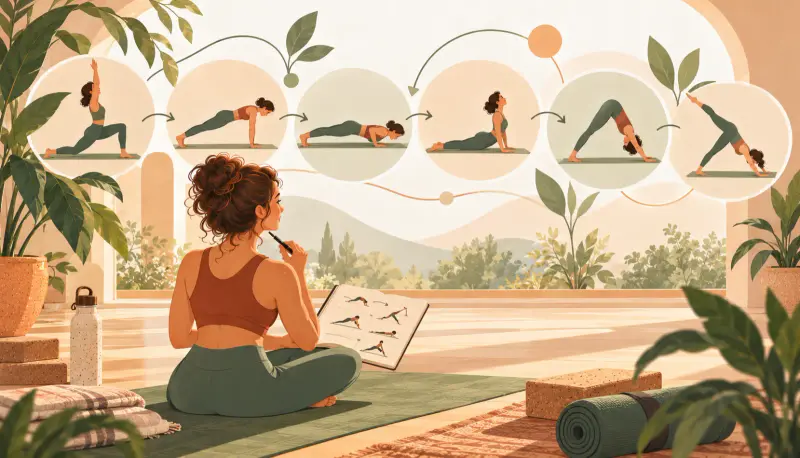
Plan changes of support, orientation and equipment so that the journey between poses is clear.

Revisit a movement pattern with a different attention cue rather than constantly adding new poses.

Offer simple breathing invitations while allowing each participant to keep a comfortable individual pace.
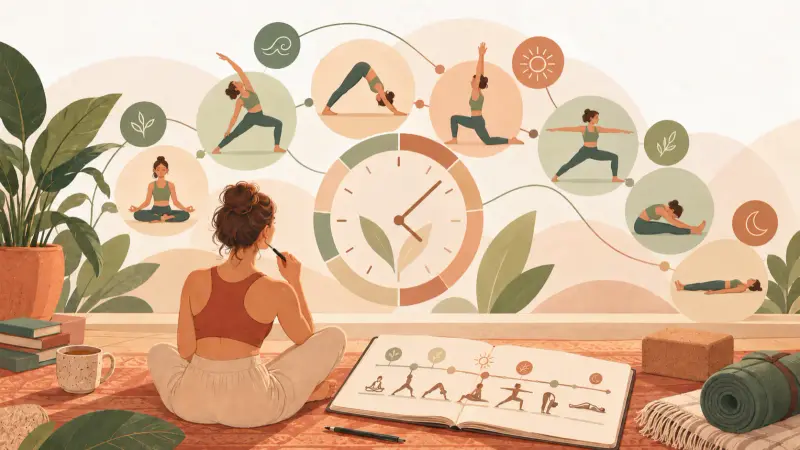
Count explanations, transitions and both sides to make a class plan that fits its actual time slot.

Use the opening minutes for orientation and preparation, beyond a checklist of stretches.

Plan supports, timings and transitions to offer room for rest.

Plan holds and recovery periods without confusing intensity, pain and progress.

Speak privately, work within your competence and prepare genuinely suitable options.

Use contact with a wall to explore orientation, supports and transitions.

Translate stability, curiosity or another intention into concrete choices about movement, pacing and language.

A practical planning exercise that narrows your choices without restricting students’ options.

Explore associations around a theme, then choose a coherent route instead of turning every idea into another pose.

Step away from your lesson plan to separate idea generation from evaluation, then return to choose what fits.

Develop a familiar class by changing its pacing, supports or observation question rather than replacing every pose.

Make teaching notes searchable and reusable by preserving the context and purpose of each idea.

Turn an observation from nature into a concrete exploration with language that stays open and precise.

Create an atmosphere that supports clear instructions and leaves space for individual attention.

Present several ways to participate without labeling one as easy and another as the better destination.

Make blocks, chairs and blankets part of the class plan rather than equipment students have to work out for themselves.

Prepare a class that works without physical contact and make participation choices explicit.

Plan pauses that allow exploration while keeping the orientation and options participants need.

Reserve time, offer different arrangements and make the return from rest part of your teaching plan.

Use focused questions, feedback and spaced review sessions to prepare clear explanations.

Ask concrete questions, separate observation from interpretation and choose one practical adjustment for the next class.

Use clear cues and selected demonstrations to make more room for observing your students.

Build an adaptable starting point and offer options without ranking your students.

Prepare simple responses so you can adapt without losing sight of the group.

Watch transitions, listen to requests and adjust without jumping to conclusions.

Prepare clear options and exits without promising universal emotional safety.

Test audio and cues so students do not need to watch the screen constantly.

Plan references, check-ins and technical support for both groups.
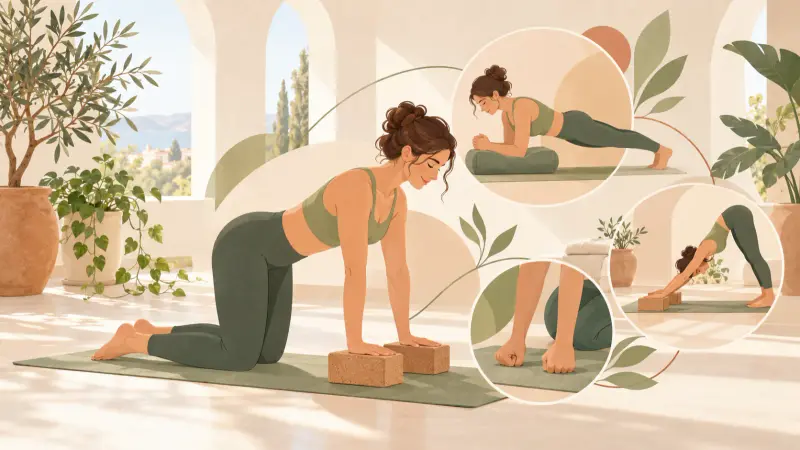
Prepare ways to participate without loading the hands, without presenting a variation as treatment.
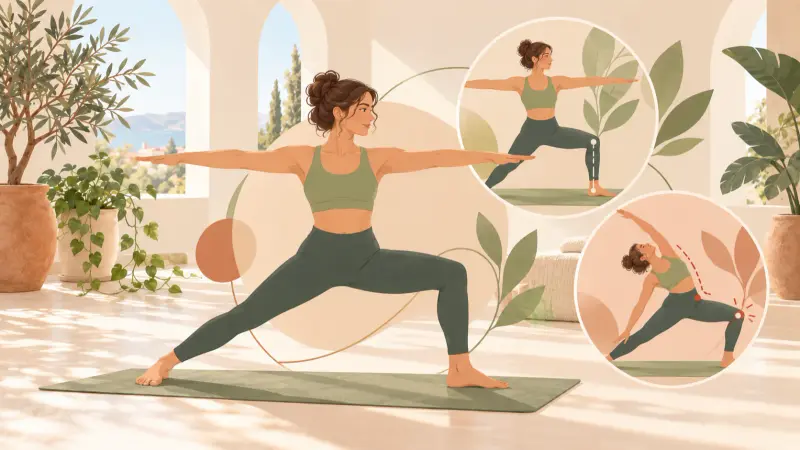
Offer controlled movement without diagnosing hypermobility by appearance or prescribing one correction for everyone.

Choose instructions that fit the movement and effort while leaving room to breathe.

Plan varied movement and supports without treating maximum range or emotional release as a goal.

Rethink positions and transitions when resting weight on the knees does not suit a participant.

Review workload, professional boundaries and the place of your personal practice.

Digitize plans gradually and use names that help you find them again.

Build confidence through specific skills, useful feedback and natural language.

Review time, costs and the terms of your offer before setting a price.

Describe your approach, training and class experience in concrete terms.

Give philosophical principles context and offer an open exploration.

Provide clear references and choices without promising to regulate the group’s emotions.
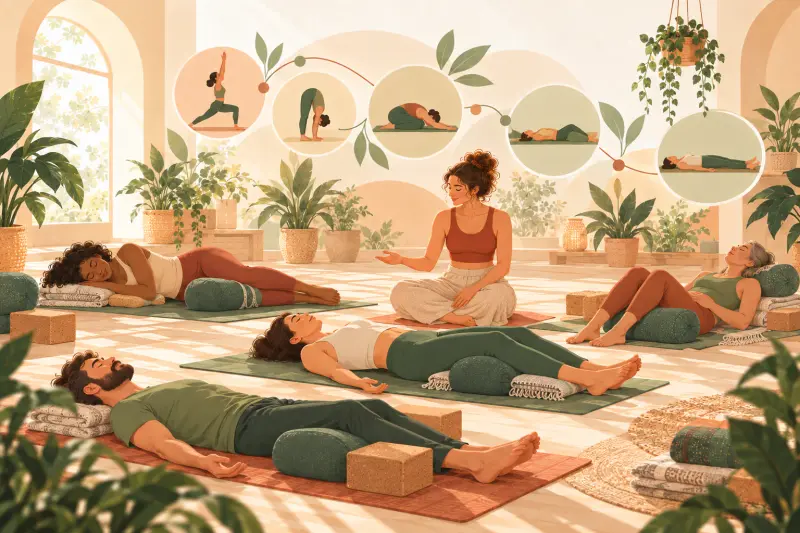
Plan the setup, a simple invitation and a gradual return.